




NEWS

ACADEMIC
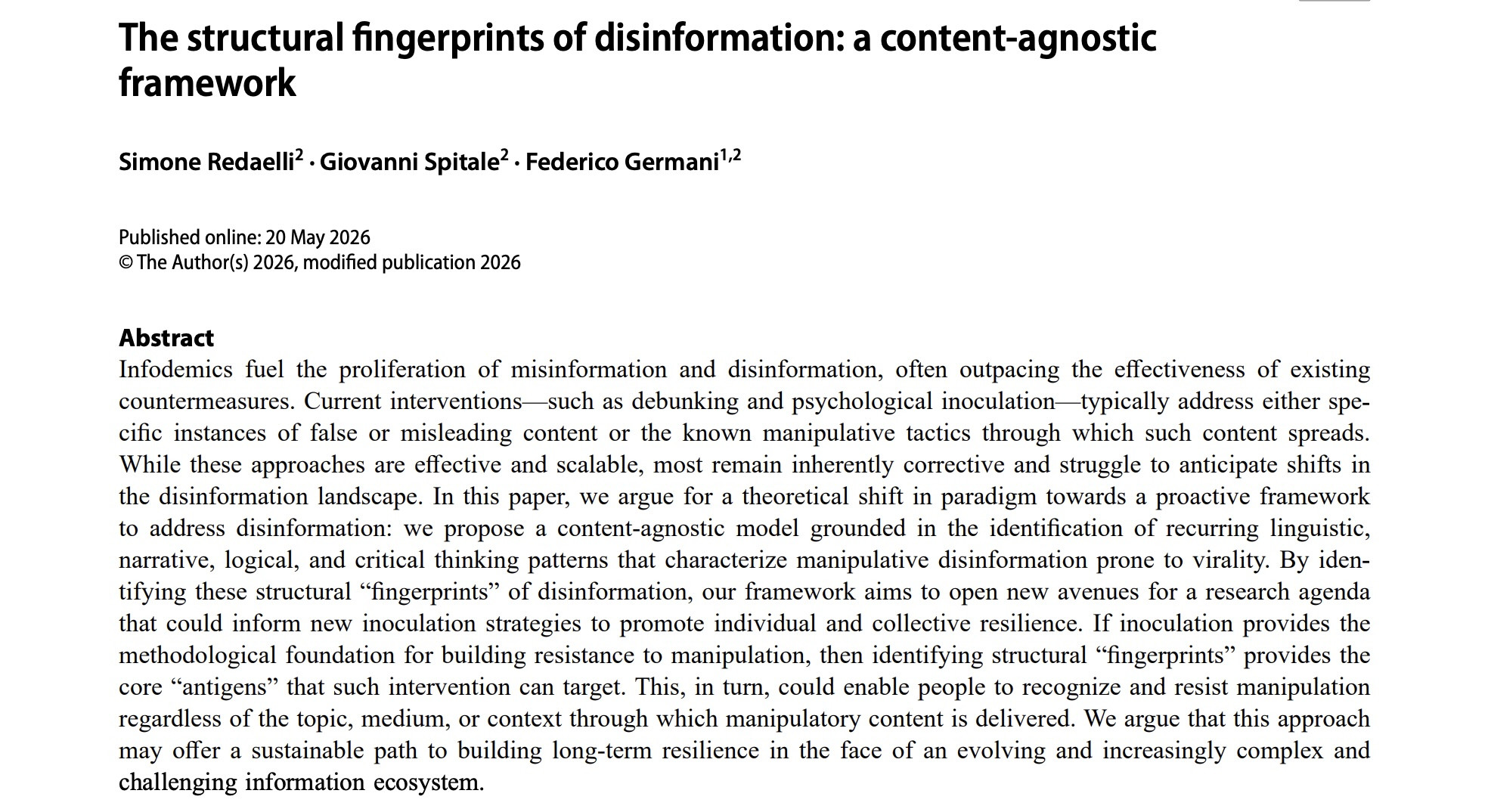
DSAI Faculty Member Federico Germani Publishes New Article on the Structural Fingerprints of Disinformation
ACADEMIC
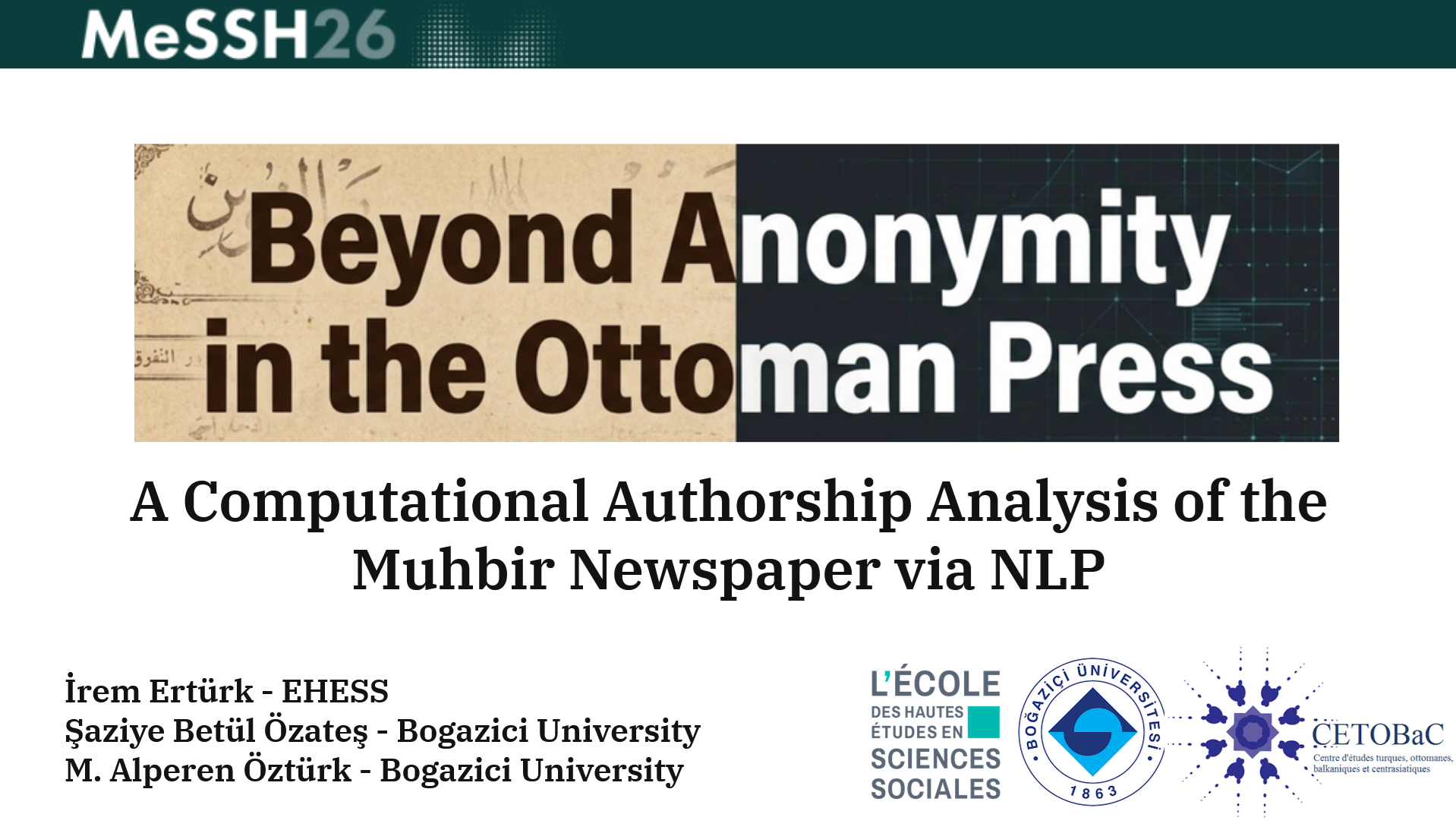
    DSAI Presents Research on Computational Authorship Analysis of the Ottoman Press at MeSSH26
DSAI Presents Research on Computational Authorship Analysis of the Ottoman Press at MeSSH26
ACADEMIC
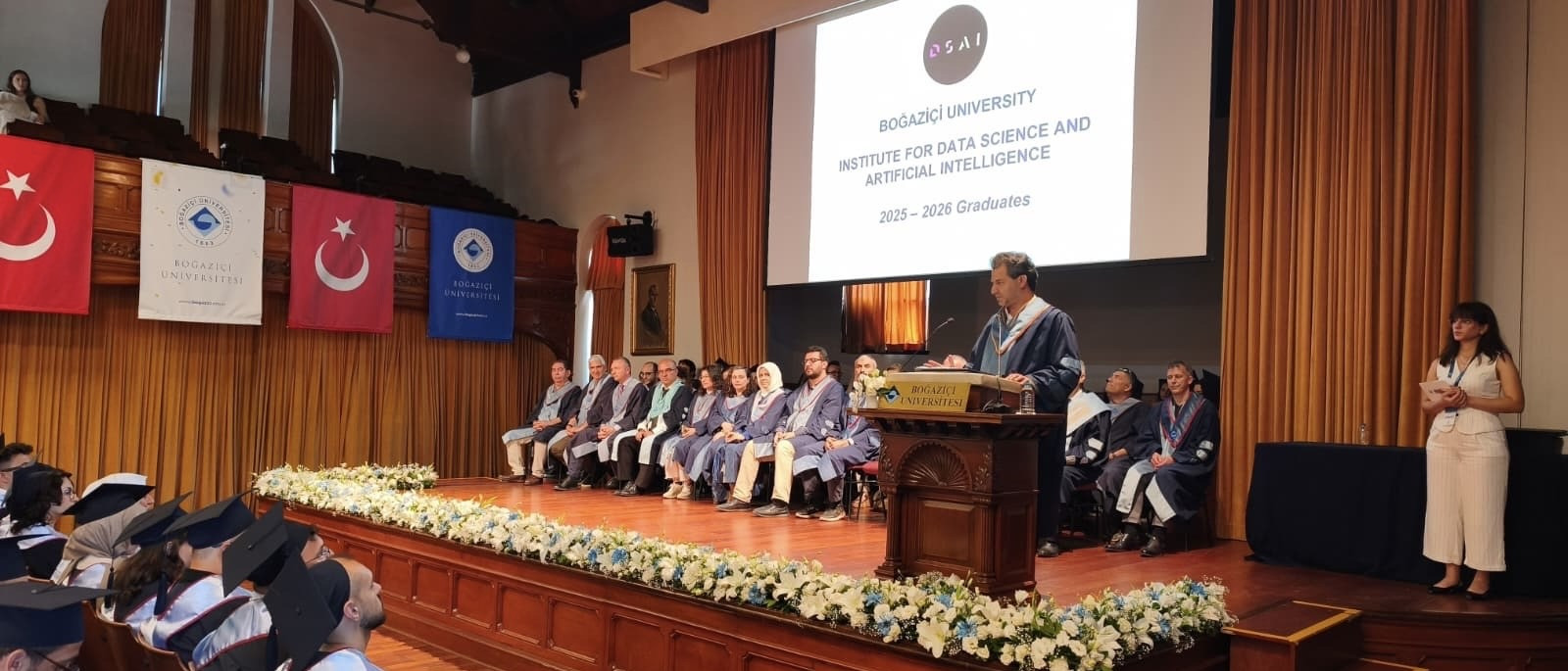
Institute for Data Science and Artificial Intelligence Celebrates Its First Graduates
ACADEMIC
AI-Based Earthquake Protection of Buildings Studied in Boğaziçi University DSAI Master's Thesis
ACADEMIC
Sarıyer Science and Art Center Students Visited Our Institute
ACADEMIC
DSAI Faculty Member Federico Germani Publishes New Article on Ethical AI Afterlives
ACADEMIC
AI-Based Algal Bloom Prediction Studied in Boğaziçi University DSAI Master's Thesis
ACADEMIC
Boğaziçi University DSAI Student Successfully Defends Master's Thesis on Deep CTR Prediction
ACADEMIC
Data Science & AI Program Debuts in Top 200 Globally
ACADEMIC
Paper Accepted in IEEE Access: Agentic AI-Based 5G and Beyond Radio Planning Framework
ACADEMIC
EACL 2026 Paper Introduces AI-Based Literature Screening for Antibacterial Nanoparticle Research
ACADEMIC
A recent study co-authored by Ercan Atam, Atakan Zeybek, and Şaziye Betül Özateş makes classical PID control smarter through a deep learning–based gain-scheduling approach that brings advanced control performance closer to standard industrial PID structures.